Already finished the business plan? This is the beginner's opening guide
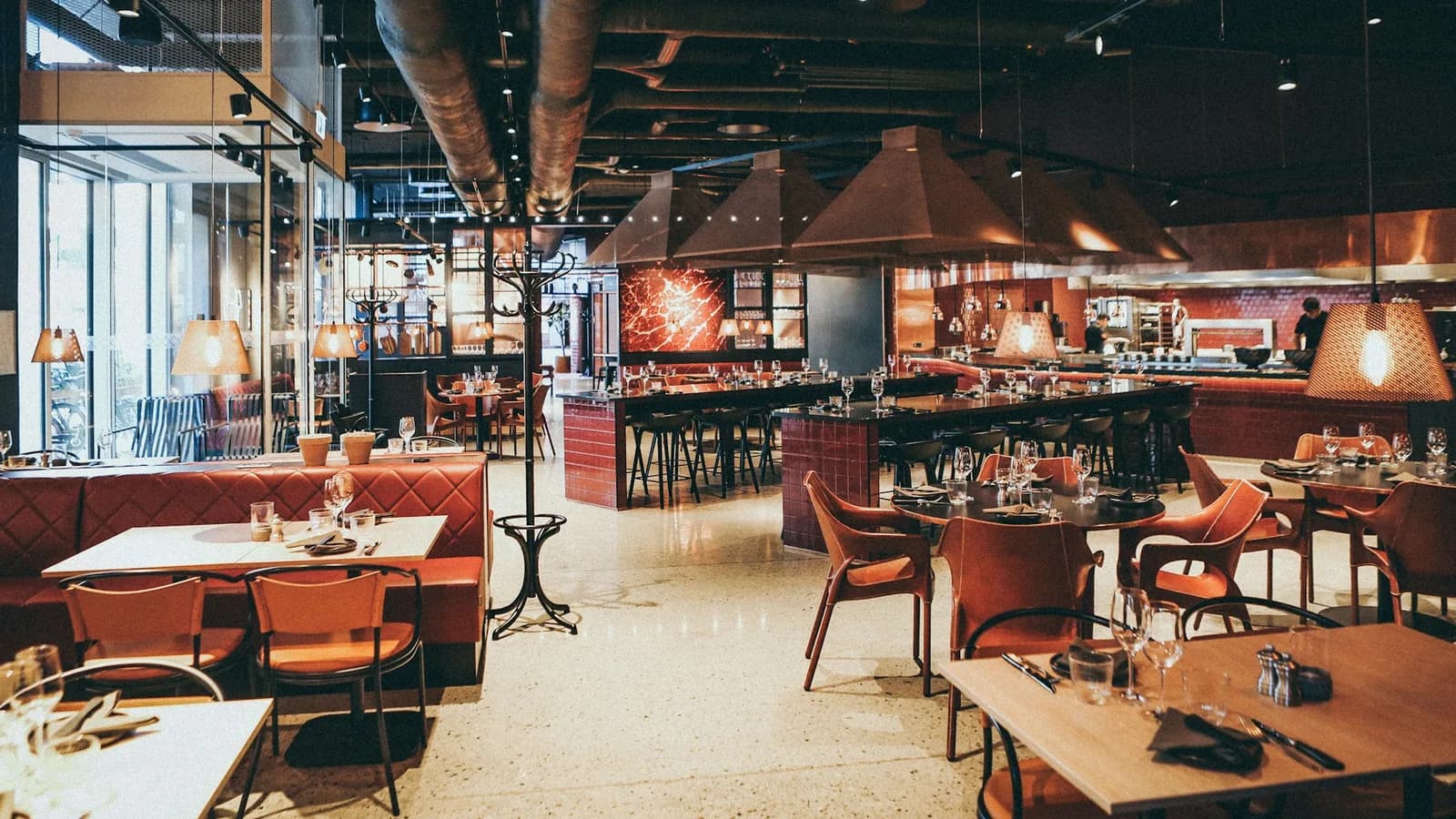
If you searched how to open cafe for beginners India founders can actually use, you probably do not need another 20-page business plan. You need the post-plan sequence: what to lock before signing the lease, what to put on the first menu, how to hire the opening team, how to run a soft open, and how to make day-1 billing feel calm instead of chaotic.
That is what this guide covers.
Think of it as the gap between "I want to start a cafe" and "we opened the shutter and served real paying guests." In India, beginners usually struggle after the plan is written because the lease, menu, staff training, soft opening, and billing setup all collide at once.
If you handle those five areas in the right order, your first month gets easier. If you ignore them, even a pretty cafe can feel disorganised by week one.
Step 1: Choose the format before you choose the property
Beginners often fall in love with a location before deciding what kind of cafe they are opening. Reverse that order.
Start by defining the operating format:
- coffee-first grab-and-go
- neighbourhood dine-in cafe
- dessert and beverages outlet
- breakfast and brunch cafe
- small cafe with light hot kitchen
Each format changes rent tolerance, exhaust needs, kitchen size, seating mix, and staffing. A coffee-and-bakes concept can survive in a smaller footprint than a full brunch cafe with eggs, sandwiches, pasta, and plated desserts. If your menu needs active cooking, storage, prep counters, and dishwashing flow matter as much as frontage.
For a beginner in India, a good first location is not the one with the highest footfall story. It is the one where rent, kitchen practicality, and repeat demand can coexist. Ask:
- Who is the repeat customer within 1 to 3 km?
- Can this menu be produced from this back-of-house area without stress?
- Will the rent still feel survivable in an average month, not just a festive month?
If you cannot answer all three, keep looking.
Step 2: Read the lease like an operator, not like a dreamer
Many first-time cafe owners underestimate how much the lease shapes the business. The rent number is only one part of the decision. Before you pay a deposit, review the practical clauses that affect daily operations:
- lock-in period and notice period
- permitted food use in the agreement
- who pays for fit-out, ducting, grease trap, and electrical load upgrades
- signage rights on the facade and building entrance
- water supply, power backup, and waste disposal rules
- timings, music limits, parking access, and society restrictions
If the property is in a mixed-use building, ask specifically about complaints risk. A location that looks perfect on a Sunday walkthrough can become difficult once neighbours start objecting to smell, deliveries, or closing time.
This is also the moment to line up compliance paperwork. A new cafe in India commonly needs some combination of FSSAI registration or licence, GST depending on structure and threshold, and local trade or Shop and Establishment requirements. Exact obligations vary by city and business setup, so confirm them with a CA or lawyer and use the official portals, including FoSCoS, FSSAI, and GST.
The beginner mistake is signing first and regularising later. The smarter path is to make sure the property and paperwork can support the business you actually want to run.
Step 3: Build a launch menu the first team can execute
A beginner menu should be sellable, photograph well, and stay executable during a busy hour. It should not try to prove creativity through 60 SKUs.
For most first cafes in India, the opening menu works best when it has:
- a core beverage spine: espresso drinks, one cold coffee, one signature iced option, tea
- a small food layer: 4 to 8 dependable dishes or bakes
- one clear identity cue: artisanal sandwiches, cookies, breakfast plates, regional snacks, or desserts
- a few items with strong gross margin that support slower sellers
When deciding what stays on the first menu, ask:
- Can the same team make this consistently across lunch rush and evening fatigue?
- Does this item need too much mise en place for its likely sales?
- Will the plate travel well if online orders begin early?
- Can you explain this item in one line on the menu?
Beginners often overload the launch with dishes they personally enjoy but cannot cost or prep reliably. A tighter menu improves training, purchase planning, and speed of service. It also makes menu photos easier to capture and upload into your billing or ordering system.
Aim to finalise recipes, pricing, and menu names before you print anything. If the team keeps changing portion sizes during opening week, your food cost and guest experience will both drift.
Step 4: Hire the first team around roles, not just headcount
A beginner cafe opening team does not need to be big. It needs to be clear.
A small outlet often starts with:
- one barista or beverage lead
- one kitchen or snack prep person
- one floor staff member or cashier-host hybrid
- one owner-operator covering purchasing, vendor follow-up, and guest recovery
In a slightly larger launch, you may split cashier and floor roles, or add a second kitchen hand for prep and dishwashing. What matters is that every shift has clear ownership for:
- opening checklist
- cash drawer and billing
- beverage station cleanliness
- prep, storage, and FIFO discipline
- table reset and guest greeting
- closing count and wastage notes
Do not postpone training until after launch. Before opening, run two rehearsal sessions:
- a product rehearsal where staff learn recipes, plating, modifiers, and out-of-stock handling
- a service rehearsal where staff greet, upsell, bill, pack, and close dummy orders
These rehearsals reveal what the menu, layout, and staffing plan are hiding from you. Maybe the pastry display blocks the billing counter. Maybe iced beverages create a queue at the wrong point. Maybe no one knows who updates the sold-out board. It is better to discover that during rehearsal than in front of your first guests.
Step 5: Set up day-1 billing before the soft open, not after it
This is where many beginner guides stay vague, but the opening reality is simple: if billing is messy, everything feels messy. Day-1 billing affects order accuracy, kitchen communication, daily sales totals, cashier confidence, and end-of-day closure.
Before your soft opening, your system should already handle:
- menu items and prices
- tax settings and bill printing
- basic modifier logic where needed
- item availability and sold-out handling
- simple daily sales visibility
This is exactly where many founders use TasteIQ as their first system. Instead of starting with disconnected notes, manual menus, and patchy billing, you can set up your menu from photos in around 15 minutes, start with a 14-day free trial, and keep the stack simple from day one. If you want to see the product fit, start here:
- Sign up: https://partners.tasteiq.in/signup
- Product overview: /restaurant-pos-software
- Pricing: /pricing
That does not replace operational discipline, but it removes a lot of beginner friction around menu setup, billing flow, and early-store consistency.
Step 6: Design the soft opening as a rehearsal with real customers
Do not treat your soft opening like a marketing event. Treat it like a controlled test.
A strong soft opening for a beginner cafe in India usually lasts two to five days and keeps the menu slightly narrower than the full launch menu. Invite a manageable mix of friends, neighbours, local office workers, and nearby residents. Your goal is not maximum revenue. Your goal is to learn:
- which items guests order first
- where service slows down
- whether tables turn as expected
- which items confuse the team at billing or pass
- what guests mention unprompted about taste, temperature, and wait time
During the soft open, track practical observations:
- top 5 items sold
- items refunded or re-fired
- average wait patterns by daypart
- bills voided or corrected
- stockouts by category
- guest questions repeated more than once
Keep the founder visible on the floor. Thank guests, ask what felt unclear, and note friction immediately. The beginner mistake is assuming a soft open is only for social media content. In reality, it is your cheapest chance to fix service design before reputation forms.
Step 7: Make the first week boring on purpose
Excitement is good for marketing. Boring is good for operations.
In the first week after launch, reduce avoidable complexity:
- hold back menu experiments
- keep vendor ordering tight and predictable
- keep shifts stable instead of rotating everyone too fast
- limit deep discounting that distorts real demand
- review sales, wastage, and guest feedback every night
You are not trying to look like a mature multi-outlet brand on day three. You are trying to learn what this one cafe actually needs. A stable first week helps you answer:
- Which menu items deserve permanent placement?
- What time should prep really begin?
- Which staff member needs more support on billing or floor handling?
- Where are bills slowing down during rush?
- Which SKUs keep moving and which only sounded good in planning?
The more disciplined your first week is, the faster your second month improves.
Step 8: Connect menu, staff, and billing into one opening rhythm
A beginner cafe feels polished when three things line up:
- the menu is realistic
- the team knows the handoff points
- the billing flow matches actual service
When those are disconnected, you feel it everywhere. Staff shout for prices. The owner overrides bills constantly. Guests wait because no one knows whether an item is available. End-of-day reporting becomes guesswork.
Create a simple opening rhythm:
- Finalise the menu and prices.
- Train the team on item names, portions, and substitutions.
- Load the same menu into billing before the first guest arrives.
- Use the soft open to remove slow or confusing items.
- Review the first week's sales and refine from evidence.
This sounds basic, but it is one of the biggest differences between a cafe that feels beginner-run and one that feels dependable.
Step 9: Know what to fix in month one
Your first month is about signal, not just sales.
Watch for these early patterns:
- a popular item with weak margin
- a high-margin item no one understands from the menu
- staff dependency on the founder for every billing exception
- rush-hour bottlenecks at coffee machine, pass, or cash counter
- inventory leakage from over-ordering slow stock
Month one is also when your first system choices start proving themselves. If you began on an organised setup, you can review what sold, what slowed service, and where menu edits are needed. That is why many founders prefer to start with a structured stack instead of upgrading after the first operational mess. TasteIQ is designed to be that first step for small food businesses that want cleaner billing and an easier path into digital operations without a heavy setup curve. You can explore the restaurant POS software, check the pricing, or begin the free trial at https://partners.tasteiq.in/signup when you are ready.
The beginner opening checklist
Before opening your cafe, make sure these are true:
| Area | Ready when |
| --- | --- |
| Format | You know whether you are beverage-led, dessert-led, or light-kitchen-led |
| Lease | Food use, signage, fit-out, utilities, and lock-in terms are understood |
| Compliance | FSSAI path and local registrations are checked with official portals and advisors |
| Menu | Launch menu is costed, named, and executable by the first team |
| Staff | Opening roles, training, and shift ownership are clear |
| Billing | Menu, tax, and daily closure flow are configured before soft open |
| Soft open | Guest list, narrower menu, and feedback method are planned |
| Week one | You have a review routine for sales, wastage, and guest feedback |
Open small, learn fast, systemise early
The best beginner cafe launches in India are usually not the loudest. They are the clearest. The founder chooses a workable format, reads the lease carefully, launches a focused menu, trains a small team well, uses a soft open to learn, and starts billing on a system that does not create confusion.
If you are already past the idea stage and moving toward opening, keep the sequence simple: property, lease clarity, menu discipline, staff rehearsal, soft open, and day-1 billing.
When you want a first system for menu-led billing and a smoother move into digital operations, TasteIQ is a practical place to start: 14-day free trial, roughly 15-minute setup from menu photos, and a beginner-friendly path into a more organised opening week.
- Start free: https://partners.tasteiq.in/signup
- Learn more: /restaurant-pos-software
- Compare plans: /pricing