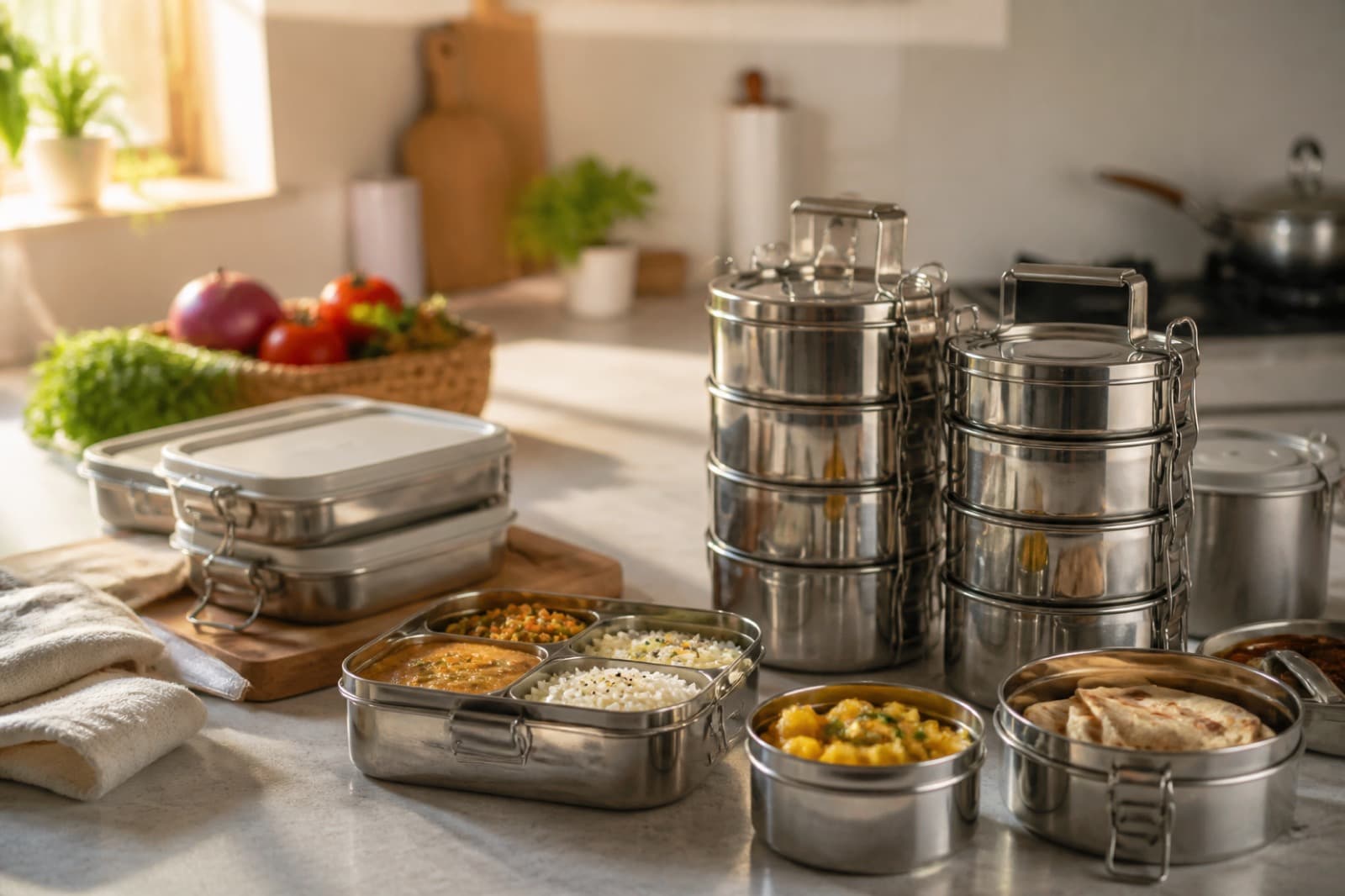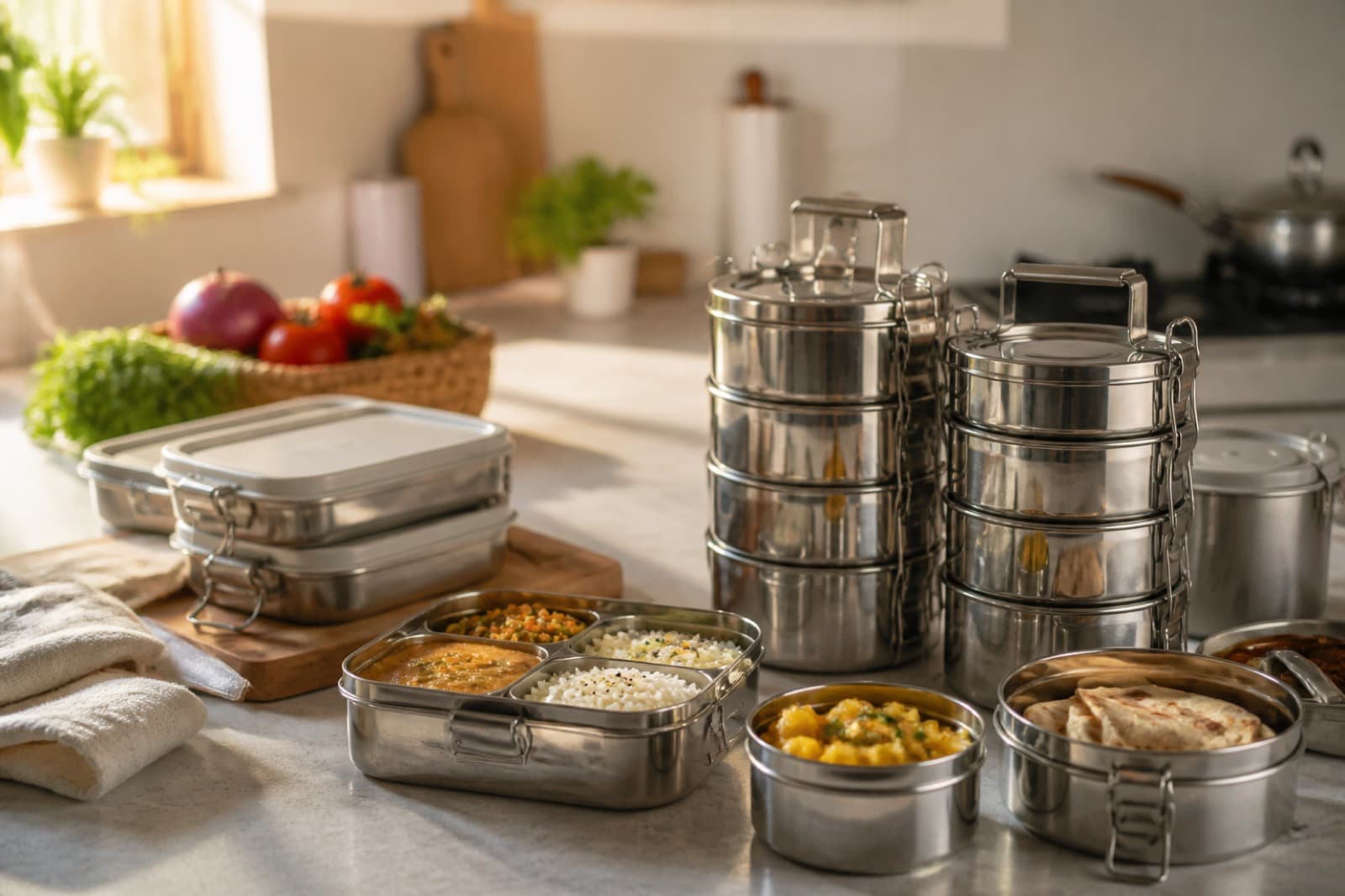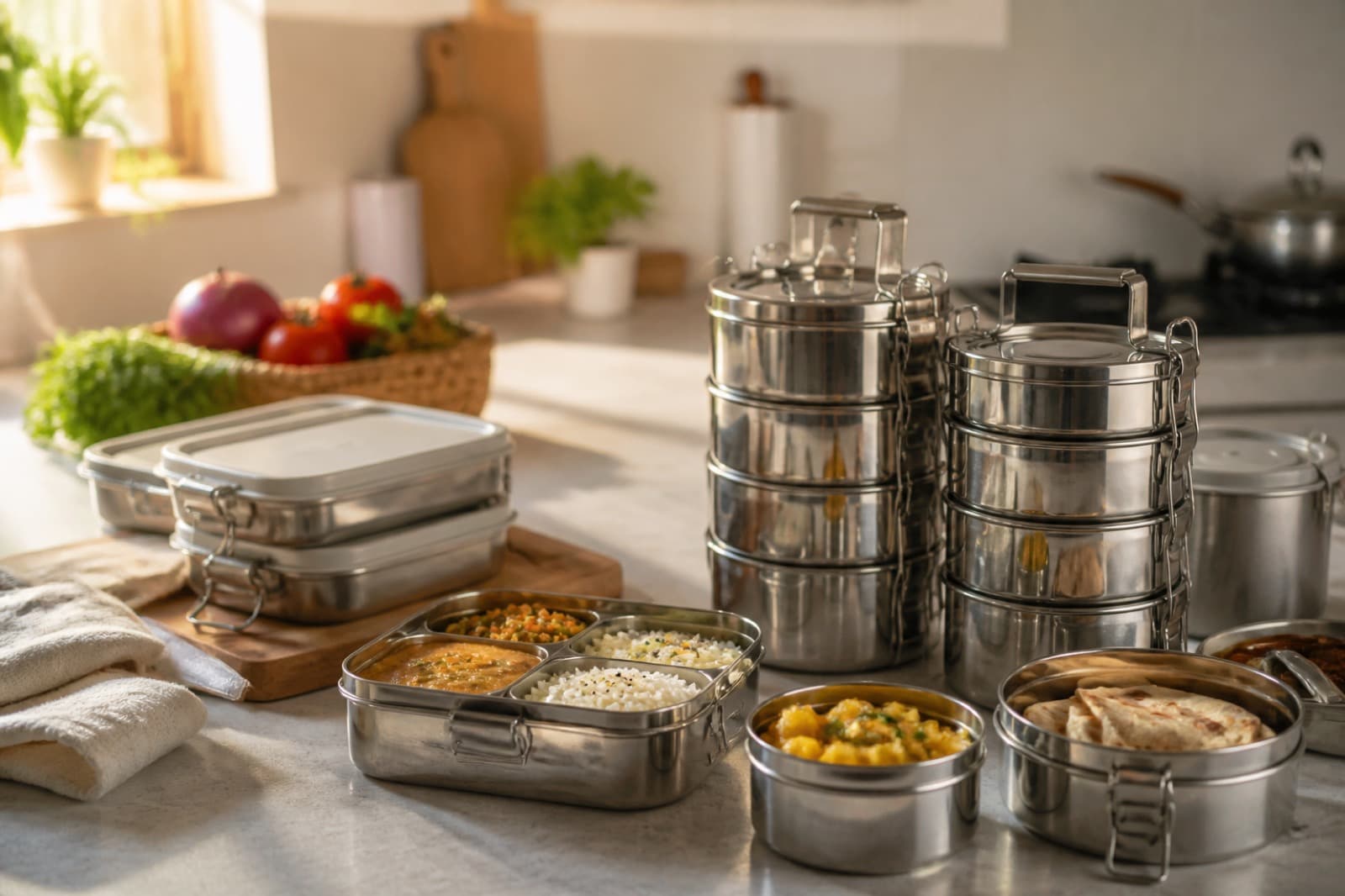
What licenses does a cloud kitchen need in India in 2026?
A delivery-only kitchen is still a food business. If you are searching for cloud kitchen license India, ghost kitchen licenses, or cloud kitchen documents India, the practical answer is that there is no single master permit. You need a stack: FSSAI for food safety, GST where applicable, a Shop & Establishment or trade license for the premises, and sometimes an eating-house / municipal health / police clearance depending on the city and the way the kitchen operates. A fire NOC becomes important when your kitchen setup, LPG load, electrical load, floor area, or building category triggers it.
That is why founders get stuck. They ask, “Which license do I need first?” when the better question is, “Which permits can I start in parallel so Zomato or Swiggy onboarding does not stall?”
This 2026 guide is the pillar post for the full license stack. It gives you the national framing, the key thresholds, the document checklist, realistic timelines, and a practical “do this week” sequence. TasteIQ can help you get process-ready and organise the paperwork, but TasteIQ does not issue government licences or approvals. Always confirm current rules, fees, and threshold treatment on official portals such as FoSCoS, FSSAI, and GST, and take GST structuring advice from a qualified CA.
The cloud kitchen license stack at a glance
Treat the stack like an opening checklist, not a single form.
| Permit / registration | Why a cloud kitchen needs it | When it usually matters |
| --- | --- | --- |
| FSSAI registration or licence | Mandatory food-safety approval for any commercial kitchen | Before taking paid food orders |
| GST registration | Tax registration for invoicing, compliance, and aggregator-linked operations | Often before or soon after marketplace launch; confirm with your CA |
| Shop & Establishment / trade license | Registers the commercial premises under state labour or municipal rules | Early in pre-open setup |
| Eating-house / health / police clearance | Some cities treat prepared-food premises separately even without dine-in | Depends on city and local enforcement |
| Fire NOC | Confirms fire-safety compliance where kitchen configuration or building rules require it | Important for LPG/commercial kitchen fit-outs and larger premises |
| Pollution / municipal consents | Usually limited to specific exhaust, waste, water, or local body rules | Case-by-case, usually secondary |
For most founders, FSSAI is the anchor, GST is the tax layer, and the premises clearances make the business operationally defensible. If you skip the premises layer and only chase the food license, you can still get blocked later by landlord, municipal, or marketplace checks.
FSSAI for cloud kitchens: Basic vs State vs Central
Every delivery-only kitchen handling food for sale needs the appropriate FSSAI category through FoSCoS. A cloud kitchen does not escape FSSAI just because customers do not sit on-site. Delivery-only, takeaway-only, and app-first kitchens are still food businesses.
2026 FSSAI thresholds for delivery-first kitchens
Align your planning to the 1 April 2026 threshold narrative:
| FSSAI category | 2026 turnover narrative | Typical fit for cloud kitchens |
| --- | --- | --- |
| Basic Registration | Up to ₹1.5 crore annual turnover | New home-run or single-premises small kitchen |
| State Licence | ₹1.5 crore to ₹50 crore | Most scaling single-state cloud kitchens |
| Central Licence | Above ₹50 crore, or multi-state operations, or certain special categories | Multi-state brands, central facilities, larger groups |
If your brand starts in one city but the same legal entity plans to operate kitchens in multiple states, do not assume a small current turnover means a Basic filing is enough. Multi-state structure can trigger Central treatment. Confirm the exact category on FoSCoS before you submit.
What delivery-only kitchens usually upload for FSSAI
Your cloud kitchen documents India pack for FSSAI usually includes:
- Identity proof of proprietor, partners, or directors
- PAN and entity documents where applicable
- Premises proof such as rent agreement or ownership paper plus a recent utility bill
- Kitchen layout or floor plan for higher-category applications
- Food category details and Form B where required
- FSMS or hygiene plan for State / Central applications
- Water-test or local support documents where the officer asks for them
The practical rule: document names, addresses, and signatory details should match across PAN, rent agreement, utility bill, GST, and FSSAI. Small mismatches create avoidable queries.
Validity, annual return, and the 2026 update
For licences issued on or after 1 April 2026, FSSAI has moved to the perpetual validity narrative used in recent TasteIQ guides. That does not mean “file once and forget forever.” Risk-based inspections still apply, and the annual return obligation remains relevant. Confirm the latest filing position, category rules, and any return applicability updates directly on official FSSAI and FoSCoS resources before you rely on an old consultant checklist.
If you want step-by-step FSSAI help, start with /fssai-license.
GST for cloud kitchens, especially if you plan to list on aggregators
Founders often ask whether a cloud kitchen can “wait” on GST because there is no dine-in counter. That framing is too narrow. GST is about the business and its supplies, not about tables and chairs.
In practice, delivery-first operators discuss GST early for five reasons:
- Aggregator readiness. Zomato and Swiggy onboarding, settlement documentation, and tax records push founders into GST conversations faster than they expect.
- Threshold planning. Aggregate turnover rules can become relevant sooner than expected once lunch and dinner volume stabilise.
- Entity hygiene. A clean GST path makes bank, invoicing, and accounting workflows easier.
- B2B billing. If you supply offices, PG operators, or corporate meal plans, GST-ready invoices matter.
- Expansion. Additional cities, commissary arrangements, or multi-state operations create more tax complexity.
The exact threshold and rate position can change through notifications, so do not take any blog as a substitute for current advice. Use gst.gov.in as the official source and speak with a CA before launch if you plan aggregator listings from day one.
A good GST posture for a cloud kitchen
| Question | Practical answer |
| --- | --- |
| Can I launch delivery first and “do GST later”? | Sometimes founders try, but aggregator, compliance, and invoicing realities often make that messy fast. |
| Do aggregators make GST more urgent? | Yes, often practically if not psychologically, because settlements and tax records must stay clean. |
| Should I rely on a generic restaurant friend’s advice? | No. Cloud kitchen structure, state, turnover, and channel mix matter. Ask a CA. |
| Where do I start? | Review the official portal and the TasteIQ overview at /gst-registration. |
For a delivery-first brand, the calmer path is to treat GST as part of the launch system, not as a rescue task after the first quarter.
Shop & Establishment, trade license, and eating-house notes
This is where national search intent gets messy, because India uses different names for related premises permissions.
What is the baseline national framing?
Most cloud kitchens need some form of premises registration under either:
- the state Shops & Establishments framework,
- a municipal trade license,
- a local health trade / eating-house style approval, or
- a combination of the above.
Even without dine-in seating, your kitchen is still a place of business with staff, working hours, waste, utilities, and commercial food handling. That is why delivery-only does not automatically mean “no local licence needed.”
Why naming varies across India
Maharashtra founders may talk about Gumasta or Shop Act. Delhi founders may encounter a trade or health-trade structure. Other cities use different labour-portal or corporation workflows. The safe national takeaway is:
- Do not assume the FSSAI certificate replaces the premises registration
- Do not assume “no dining area” means no eating-house scrutiny
- Check the local municipal corporation and state labour portal for your kitchen address
If your business is only half-set up legally, this is often the layer that blocks inspection or creates trouble with landlords and local enforcement later.
When does fire NOC apply to a cloud kitchen?
Not every tiny kitchen gets the same fire treatment, but many delivery kitchens underestimate this layer. A fire NOC or fire-department clearance becomes relevant when the premises, kitchen equipment, building occupancy, floor location, or LPG / electrical setup crosses local triggers.
Common real-world triggers include:
- Commercial LPG installation
- Heavier electrical load than a normal retail unit
- Exhaust and ducting systems
- Larger carpet area or built-up area
- Operation inside buildings with stricter occupancy norms
- Multi-floor, basement, or restricted-egress layouts
Do not wait until fit-out is complete to ask about fire rules. If a fire officer later asks for extinguishers, alarm points, signage, detector layout, or modifications to the gas line, rework costs time and money. For many cloud kitchens, fire clearance becomes the critical path permit even when FSSAI paperwork itself is straightforward.
Optional but important: pollution and municipal notes
This is usually not the first issue for a small ghost kitchen, but it can matter.
- Pollution / PCB consent: may become relevant for larger kitchens, discharge, smoke, exhaust, or waste-management concerns depending on the state.
- Municipal hygiene / health checks: some cities treat food handling and waste disposal separately from the pure trade registration.
- Signage and building permissions: if the kitchen has external branding or structural changes, extra local permissions may arise.
You do not need to panic about every possible secondary licence on day one. You do need a professional to check the local stack before you assume a delivery-only format is “light compliance.”
Documents checklist for most cloud kitchen applications
Use this as a working document pack across FSSAI, GST, and premises filings:
| Document | Why it repeats across filings |
| --- | --- |
| PAN of proprietor / entity | Identity and tax linkage |
| Aadhaar / ID of signatory | Founder or authorised signatory KYC |
| Incorporation / partnership / proprietorship proof | Entity verification |
| Rent agreement or ownership proof | Premises linkage |
| Recent electricity or utility bill | Address proof |
| Kitchen layout / floor plan | FSSAI, fire, or municipal review |
| Cancelled cheque / bank proof | GST and banking support |
| Photos of premises / signage where required | Local body and inspection support |
| Hygiene / FSMS notes | State / Central food-safety review |
Keep scanned files legible and consistently named. One founder running six unclear WhatsApp PDFs usually loses more time than the founder who spent two hours creating a clean folder first.
How long does the full process take?
No honest advisor should promise one magic timeline for all India cities. A realistic planning band is:
| Layer | Common planning band |
| --- | --- |
| FSSAI Basic | Often around 7-21 working days when documents are clean |
| FSSAI State / Central | Often 30-60 days where inspections or clarifications arise |
| GST registration | Can move quickly with correct documents, but queries delay it |
| Shop & Establishment / trade | Often 1-3 weeks, sometimes longer by city |
| Fire NOC | Frequently 2-8+ weeks depending on fit-out and inspection |
The smart way to shorten the overall calendar is parallel work:
- Finalise the entity, premises proof, and signatory documents.
- Start FSSAI and the premises-registration track together.
- Review GST with a CA before aggregator launch.
- Trigger fire review early if your kitchen has commercial equipment or LPG.
- Keep one master checklist of pending queries and document versions.
Zomato and Swiggy readiness checklist for cloud kitchens
Marketplace onboarding is not only a menu-photo task. If you want a smooth listing process, check these before you apply:
| Readiness item | Why it matters |
| --- | --- |
| Correct FSSAI category and 14-digit number | Core food-compliance proof |
| Legal entity and bank details aligned | Settlement and KYC hygiene |
| GST position reviewed with CA | Tax clarity before payouts and invoicing scale |
| Premises documents available | Supports verification and later audits |
| Brand assets, packaging, labels | Helps consistent onboarding and trust |
| Kitchen photos and operating address | Common marketplace and compliance requirement |
If you are “almost ready” except for one missing document, fix the document first. Founders lose weeks by trying to rush marketplace launch ahead of compliance cleanup.
What should you do this week?
If you are opening or formalising a cloud kitchen now, follow this sequence:
- Classify the kitchen correctly. Decide whether you are a home-run kitchen, shared cloud kitchen, or dedicated commercial unit.
- Create the master document folder. PAN, Aadhaar, premises proof, bank proof, layout, and entity documents in one place.
- Check the FSSAI category. Use the 2026 turnover narrative: Basic up to ₹1.5 crore, State ₹1.5-50 crore, Central above ₹50 crore or multi-state.
- Speak with a CA on GST before aggregator launch. Especially if you plan Zomato or Swiggy onboarding.
- Check local premises rules. Confirm Shop & Establishment, trade, and any eating-house / municipal health requirement for your exact address.
- Review fire triggers before fit-out is locked. This is where avoidable delays happen.
Where TasteIQ fits
TasteIQ helps founders with process readiness, document sequencing, and the commercial side of launch. That can include FSSAI prep, GST coordination with a CA, and getting the business ready for marketplace onboarding. TasteIQ does not issue licences, approve applications, or replace official portals.
If you want help now:
- FSSAI overview: /fssai-license
- GST overview: /gst-registration
- WhatsApp: https://wa.me/916207466460?text=Hi%20TasteIQ%2C%20I%20need%20help%20with%20cloud%20kitchen%20licenses
Once the licenses are moving, you also need a clean operations layer: branded ordering, GST-ready billing, kitchen flow, and delivery coordination. That is where restaurant POS software matters, and founders who want to move fast can start at https://partners.tasteiq.in/signup.
Related reading
- FSSAI Basic vs State vs Central
- FSSAI license documents, fees, and timeline
- Zomato and Swiggy listing requirements in India
- GST for cloud kitchens and food delivery
- Cafe licenses checklist in India
Bottom line
The right way to think about cloud kitchen license India is not “which one permit do I need?” but “which stack do I need to launch cleanly?” In 2026, that usually means the right FSSAI category, a GST decision made early, the premises registration appropriate to your state and city, and fire clearance wherever the kitchen setup triggers it.
Use official portals for the last word on fees, thresholds, and forms. Use a CA for GST advice. Use TasteIQ if you want help becoming process-ready and then running the kitchen with compliant billing and cleaner operations.