Author

Priya Menon

Hospitality revenue analyst focused on OTA mix, direct booking, and boutique hotel ops across India and the GCC.

Articles by Priya Menon

Hotel & property operations

How Do You Reduce OTA Commission in 2026?

Hotels cut OTA commission by driving direct bookings, negotiating parity-safe rates, and using a channel manager to shift demand toward owned channels. Expect three to eight points of margin recovery within two quarters when direct share rises above thirty percent of sold room-nights.

Hotel & property operations

RevPAR vs ADR: Which Metric Matters More?

ADR measures rate on sold rooms; RevPAR measures revenue across all available rooms including empty inventory. Boutique hotels should manage RevPAR as the primary weekly KPI, then use ADR to diagnose whether problems are pricing or occupancy after OTA fees are subtracted.

Hotel & property operations

Hotel Channel Manager Guide for Boutiques

A boutique hotel channel manager keeps rates and availability synced across OTAs and your booking engine so properties avoid overselling and parity breaks. Roll it out in four weeks, start with two channels, and review oversell incidents plus net RevPAR after commission every Monday with night audit.

Restaurant POS operations

Is Opening a Cafe Profitable in India?

Cafes can be profitable in India when margins exceed 12–18% EBITDA, driven by location rent, sourcing discipline, seating utilization, and menu mix. Metro cafes with ₹8–12 lakh monthly revenue typically break even within twelve to eighteen months if COGS stays below 30% and rent under 10–12% of sales.

Restaurant POS operations

Cafe vs QSR vs Cloud Kitchen: Which Fits India?

Choosing between a cafe, QSR, and cloud kitchen in India is really a choice between three different cost structures. The best format depends on your CAPEX, labor model, delivery dependence, and tolerance for rent or platform risk, not just what kind of menu you want to sell.

Restaurant POS operations

How to Do Restaurant Market Research in India

Restaurant market research in India is a four-week, teach-first plan that translates catchment size, footfall proxies, and competitor pricing into a defensible demand estimate before you sign a lease. This guide walks through weekly steps for casual-restaurant founders in Tier 1 and Tier 2 cities, so you can validate price ladders and cover volumes without paying for expensive third-party reports.

Restaurant POS operations

Restaurant Break-Even Analysis for India

Restaurant break-even analysis shows how much monthly revenue, contribution margin, and daily cover count a new outlet needs before it stops losing money. This India-focused guide explains the formula, includes a worked ₹ example, and shows how GST, channel mix, and average bill value change feasibility.

Restaurant POS operations

Restaurant Business Plan India: Template & Guide

A restaurant business plan in India must prove demand, detail operations from licensing to POS systems, and show month-by-month cash flow with realistic food cost and staff assumptions. Lenders expect break-even analysis, FSSAI compliance plans, and auditable financial projections before approving MSME loans.

Restaurant POS operations

FSSAI License for Cafe in India: 2026 Guide

An FSSAI license is mandatory before any cafe in India serves food. From 1 April 2026, revised thresholds mean cafes under ₹1.5 crore turnover need Basic Registration, ₹1.5–50 crore need a State Licence, and above ₹50 crore need Central. Apply on FoSCoS, upload proof, pay government fees, and display the 14-digit number visibly at your billing counter.

Restaurant POS operations

Licenses Required to Open a Cafe in India (2026)

Opening a cafe in India needs a stack of six to nine licenses: business entity, FSSAI, GST, Shop & Establishment or trade license, fire NOC, city-specific health or police NOC, music (PPL/IPRS), and signage or outdoor-seating permits. Fees vary heavily by city and state — this checklist maps costs, timelines, and how to run applications in parallel before your soft opening.

Restaurant POS operations

How to Register for GST as a Restaurant in India

GST registration for restaurants in India is legally required once aggregate turnover crosses the notified threshold, but most operators register earlier for aggregator payouts, B2B invoicing, and cleaner books. This guide explains when to register, current rate treatment for restaurant services, the step-by-step gst.gov.in flow, documents, GSTR-1 and GSTR-3B cadence, and the common mistakes cafes should avoid from day one.

Restaurant POS operations

How Do You Get a Dubai Cafe Food License in 2026?

A Dubai cafe needs three parallel approvals before it can serve food: a DET trade licence with the correct food activity code, Dubai Municipality kitchen and food safety clearance, and Foodwatch registration. Staff need Occupational Health Cards and food handler training, and Civil Defence fire NOC applies to most fit-outs. Budget AED 20,000–40,000+ all-in, but confirm with DET and Dubai Municipality.

Restaurant POS operations

Cloud Kitchen License India 2026: FSSAI, GST, Trade and Fire Checklist

This 2026 guide explains the full cloud kitchen license stack in India: FSSAI for delivery-only kitchens, GST planning for aggregator-led brands, Shop & Establishment or trade license basics, fire NOC triggers, the core document pack, realistic timelines, and how to get Zomato or Swiggy readiness without compliance surprises.

Restaurant POS operations

FSSAI Basic vs State vs Central License: Which Do You Need? (2026)

Confused about FSSAI Basic Registration vs State Licence vs Central Licence in 2026? This practical guide explains the revised 1 April 2026 turnover thresholds, Central triggers such as multi-state operations and central premises, fees, timelines, document burden, common mistakes, and when restaurants, cafes, and cloud kitchens should upgrade categories on FoSCoS.

Restaurant POS operations

FSSAI License Documents, Fees and Timeline in India (2026 Guide)

A filing-ready 2026 guide to FSSAI license documents in India covering the master checklist for Basic, State, and Central applications, FoSCoS upload tips, approximate government fee bands, consultant budget ranges, likely approval timelines, common rejection causes, and what changes after April 2026.

Restaurant POS operations

Zomato & Swiggy Listing Requirements in India: FSSAI, GST, and Documents (2026)

A practical 2026 guide to the documents Zomato and Swiggy typically ask Indian restaurants, cloud kitchens, and cafes to prepare before onboarding: FSSAI, GST, PAN, bank KYC, owner ID, outlet photos, menu files, and packaging readiness. Built for founders who need to go live on aggregators this month without getting stuck on compliance and payout setup.

Restaurant POS operations

GST for cloud kitchens & food delivery platforms India 2026 (Section 24 / aggregator angle)

For most cloud kitchens planning to list on Swiggy or Zomato, GST registration should be treated as a pre-launch task, not a later cleanup. This guide explains why the Section 24 and e-commerce operator angle makes GST effectively mandatory in many delivery-first cases, how that differs from the usual dine-in restaurant journey, what founders should know about the commonly cited 5% restaurant GST rate, and how to stay ready for aggregator settlements, tax statements, and GST-compliant billing.

Tiffin & meal subscription business

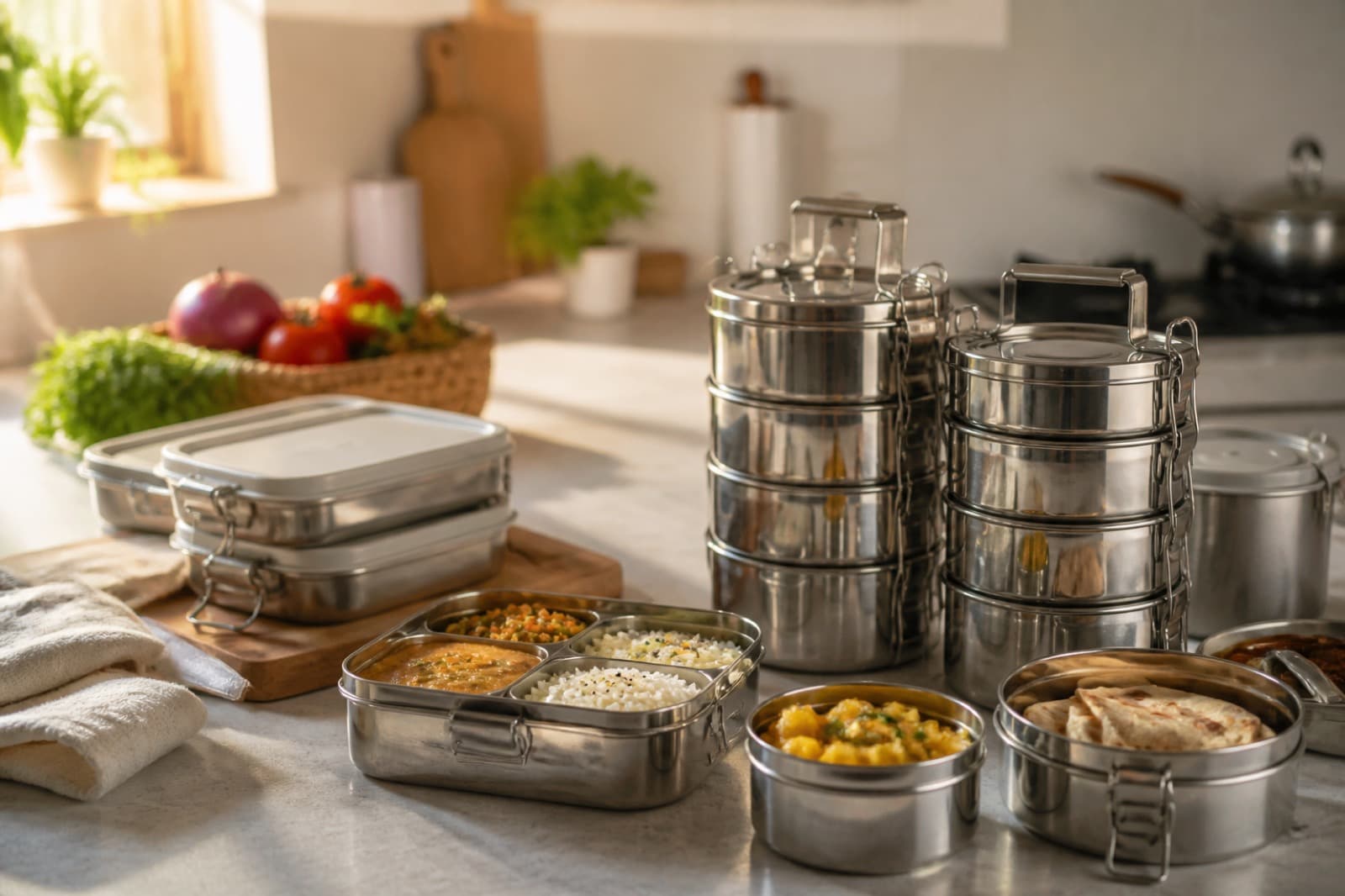
How to Start a Tiffin Service Business in India (2026 Guide)

A practical 2026 launch guide to start a tiffin service business in India from home or a small kitchen. Covers metro startup costs, FSSAI basics, menu pricing bands, finding your first 10–30 customers on WhatsApp, delivery choices, and when to move to subscription software.

Tiffin & meal subscription business

Tiffin Subscription Software in India: Buyer’s Guide

Past ~30–50 subscribers, WhatsApp and notebooks create pause disputes, prep errors, and billing gaps. This buyer’s guide covers must-have tiffin management features—plans, pause/resume/skip, branded ordering, prep lists, delivery assignment, GST invoices—and how to evaluate vendors before you buy.

Tiffin & meal subscription business

WhatsApp vs Online Tiffin Business: When Chat Breaks

A blunt comparison of running tiffin on WhatsApp and UPI versus a branded website, app, and subscriptions. See when chat is enough at 20–30 customers, when pauses and GST chaos force a digitize move, and how to migrate without losing regulars.

Tiffin & meal subscription business

Cloud Kitchen Subscription: Turn App Regulars into Meal Plans

Daily Swiggy and Zomato regulars are a subscription business in disguise. See directional 20–30% commission math, how to launch branded meal plans in India, pause/resume ops, and where TasteIQ fits as your stack.

Tiffin & meal subscription business

Own Fleet vs Third-Party: Tiffin Delivery Management

A decision guide for Indian tiffin founders choosing own riders versus third-party delivery staff—cost drivers, reliability, brand control, hybrid models, and why one daily packing list must be the system of record.

Restaurant POS operations

How to Open a Cafe for Beginners in India: Post-Plan Launch Guide

A practical beginner guide for opening a cafe in India after the business plan is done. Covers format choice, lease checks, launch menu, first staff hires, soft opening, and day-1 billing so new founders can open with less chaos and better operating discipline.

Restaurant POS operations

First Restaurant POS in India: What Beginners Need on Day 1

Choosing a first restaurant POS in India is really a decision between notebook, basic billing software, and a simple full POS that handles billing, KOT, GST-ready invoices, menu setup, and inventory basics. This guide explains what first-time owners actually need on day one and why most cafes, QSRs, cloud kitchens, and small dine-in restaurants are better off starting with a beginner-friendly full POS.

Restaurant POS operations

Cafe First Week Operations Checklist in India (2026)

A practical first-week cafe operations checklist for India covering opening and closing rituals, KOT discipline, cash and UPI close, waste notes, and staff huddles. Built for new cafe owners who want cleaner daily habits before chaos becomes normal.

Restaurant POS operations

12 First-Time Cafe Owner Mistakes in India to Fix in the First 90 Days

Most first-time cafe owner mistakes in India are operational, not branding-related. This guide breaks down 12 common first-90-day mistakes such as no item codes, no shift close, WhatsApp-only orders, weak food-cost tracking, and ignoring GST invoice hygiene, then maps each one to a practical operating fix.

Restaurant POS operations

Menu Pricing for Beginners: Cafe India Guide

Beginner cafe pricing in India works best at the SKU level: standardize portion, calculate recipe cost, choose a target food-cost percentage, build a clean price ladder, and keep GST display logic consistent across menu board and POS. This guide walks through recipe costing, price cards, psychological pricing, and the practical step of putting final prices into TasteIQ so the counter matches the board.

Restaurant POS operations

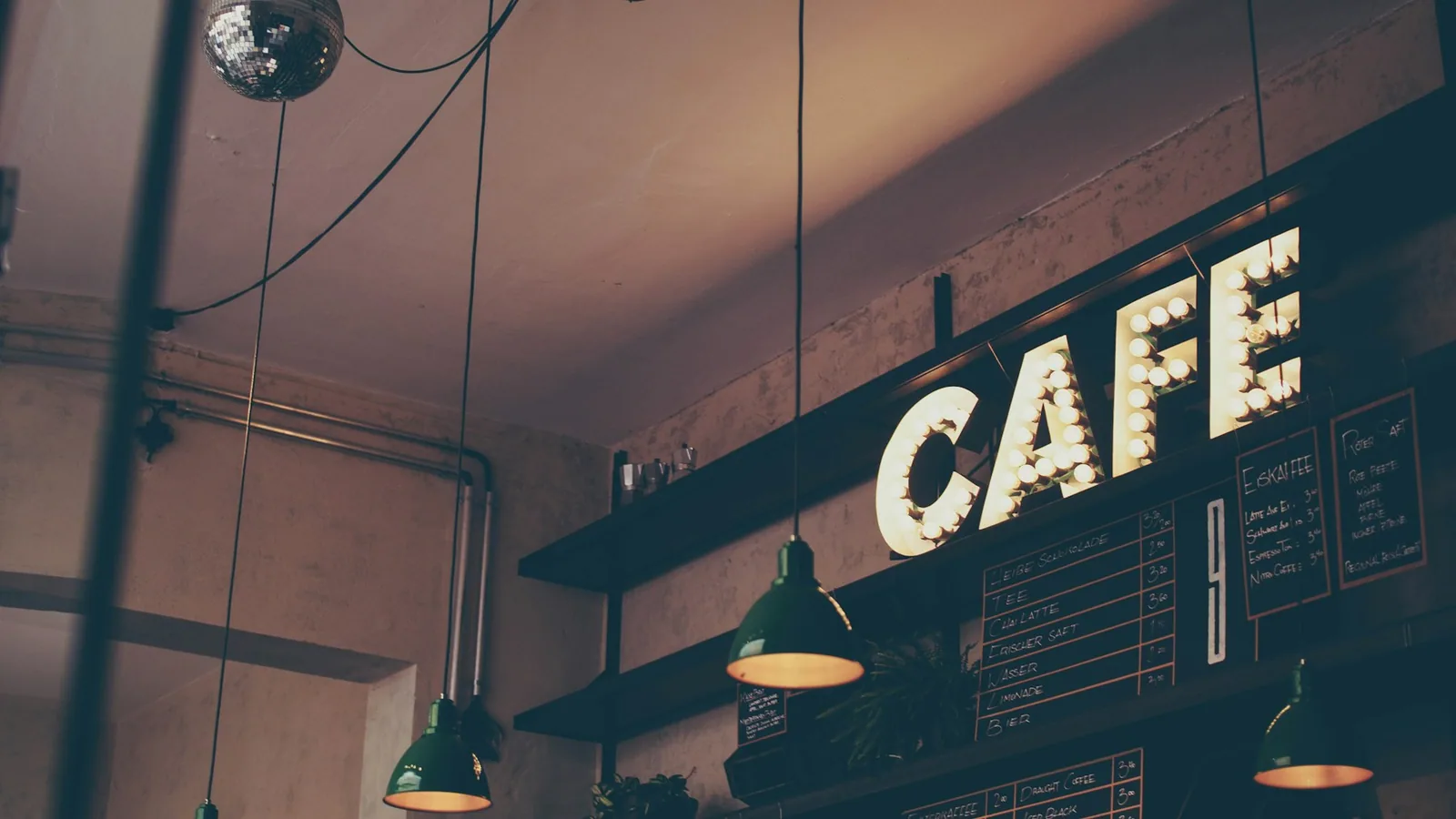
Cafe Neon Signs India: Budget, Placement, Materials, and Permission Notes

A practical 2026 guide to cafe neon signs in India covering realistic budget bands, LED vs glass neon, wall sizing, wattage and heat, outdoor readability, landlord and municipal permission notes, and how to choose a sign that looks premium without becoming a maintenance problem.

Restaurant POS operations

How to Plan LED Restaurant Lighting in India

A practical 2026 guide to LED restaurant lighting in India for cafes and small restaurants. Learn how to plan warm, cool, and task-light zones, choose usable Kelvin and lux ranges, reduce glare on POS screens, and stay aware of monthly electricity cost before buying fixtures.

Restaurant POS operations

Small Cafe Interior Decoration Ideas in India: Layout, Materials, and Ambience

A small cafe interior in India works when the layout is zoned clearly, materials survive daily spills and dust, lighting feels warm all day, and the room stays photo-friendly without clutter. This guide covers compact cafe design ideas for metro founders balancing tight rent, seating, takeaway flow, and a branded customer experience.

Restaurant POS operations

Cafe Ambiance Checklist in India: Music, Lighting, Seating, Flow

A practical cafe ambiance checklist for Indian operators covering lighting, music, smell, seating comfort, service flow, and the operational fixes that protect the vibe. Use it to audit the full guest experience, from the first impression at the door to order accuracy, billing, and pickup movement during peak hours.

Restaurant POS operations

Cafe OPEN Sign Neon LED India: Visibility, Power, Weather and Permissions

A practical guide for Indian cafe owners choosing an OPEN sign, neon arrow, or window LED display for a street-facing storefront. Learn what actually improves visibility, how to think about power draw and monsoon durability, what approvals may matter, and why TasteIQ is honest about not selling signs while helping with the first order after the walk-in happens.

Priya Menon — TasteIQ author